Substance Use Disorder (Addiction Treatment)
What Is Substance Use Disorder?
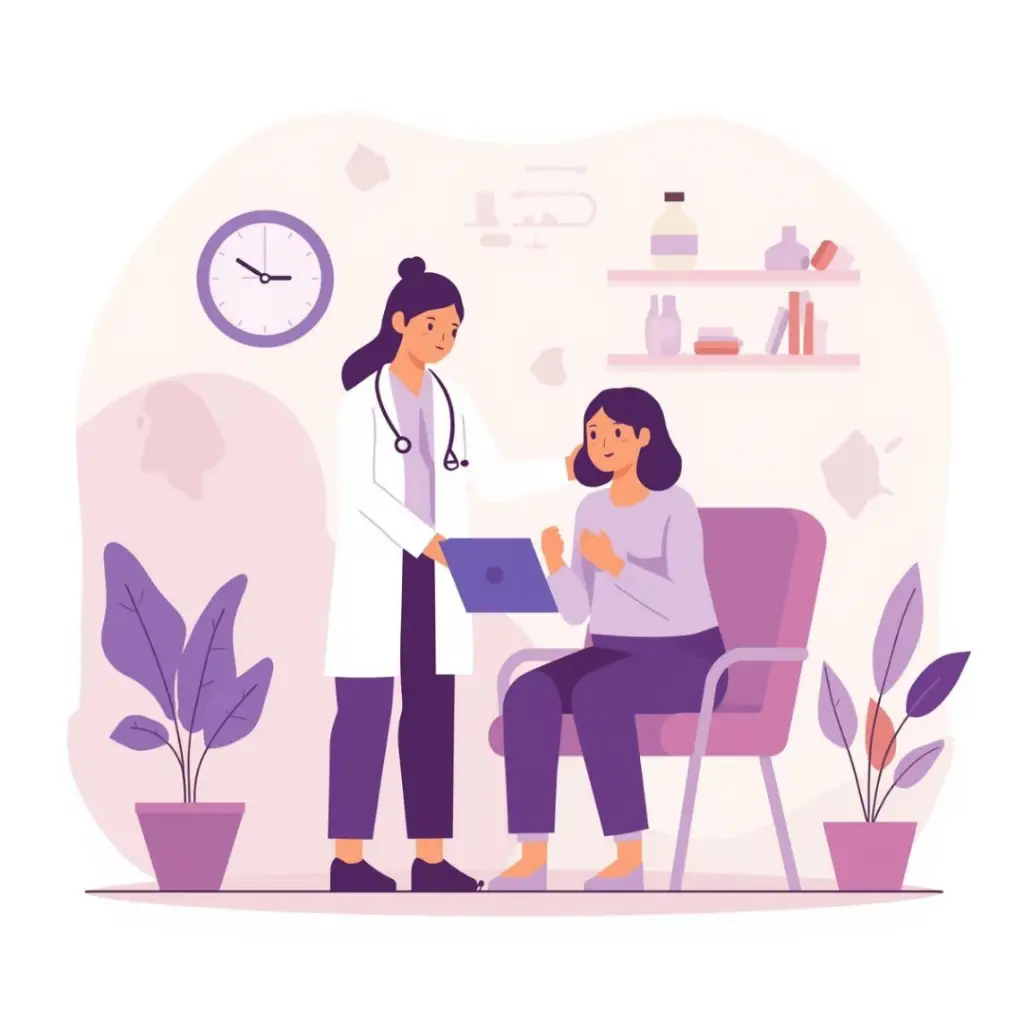
Substance Use Disorder (SUD) is a medical condition that affects the brain and behavior, leading to difficulty controlling the use of substances such as alcohol, opioids, stimulants, or other drugs. It is not a lack of willpower or a moral failing, but a chronic and treatable health condition.
Substance use disorder can impact physical health, mental well-being, relationships, work performance, and overall quality of life. Many individuals experience substance use alongside anxiety, depression, trauma, or other mental health conditions. With appropriate, evidence-based care, recovery is possible and sustainable.
Signs & Symptoms of Substance Use Disorder
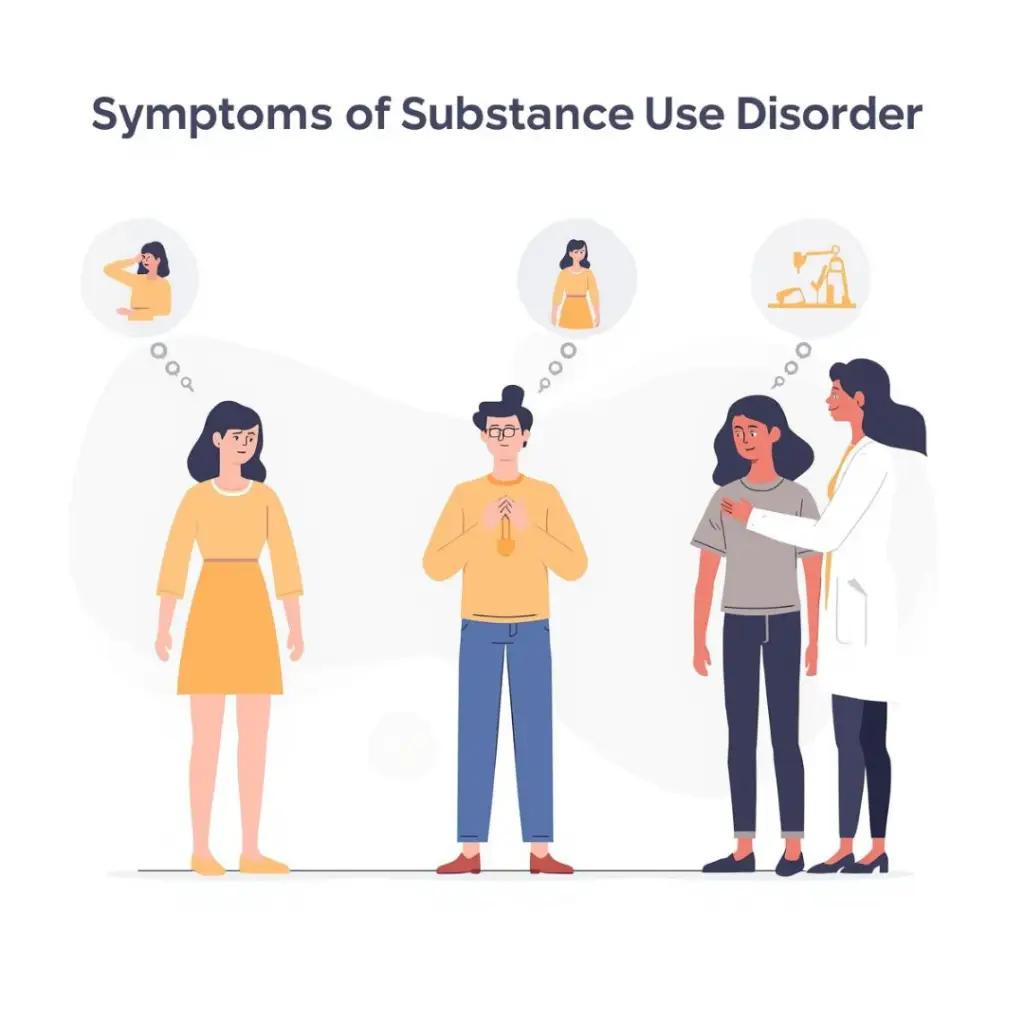
Symptoms of substance use disorder can vary depending on the substance and individual but often fall into several key areas:
Difficulty controlling substance use, continued use despite negative consequences, or spending significant time obtaining or using substances.
Changes in tolerance, withdrawal symptoms, sleep disturbances, appetite changes, or physical health decline.
Cravings, irritability, mood changes, anxiety, depression, or emotional numbness related to substance use.
Strained relationships, work or legal issues, neglect of responsibilities, or loss of interest in previously meaningful activities.
Treatment Options for Substance Use Disorder
At Personal Wellness Psychiatric Services, substance use disorder is treated using a compassionate, trauma-informed, and evidence-based approach tailored to each individual’s needs.
Psychiatric Evaluation
A detailed assessment of substance use history, mental health symptoms, medical factors, and personal goals to guide individualized treatment planning.
Medication Management
When clinically appropriate, medications may be used to reduce cravings, manage withdrawal symptoms, and support recovery. This may include medication-assisted treatment (MAT).
Trauma-Informed, Recovery-Focused Care
Care is delivered in a judgment-free environment that recognizes the role of trauma and prioritizes safety, respect, and collaboration throughout treatment.
Integrated Mental Health & Addiction Care
Treatment addresses both substance use and co-occurring mental health conditions such as anxiety, depression, PTSD, or ADHD to support long-term stability.

Medication-Assisted Treatment (MAT)
(Suboxone®, Naltrexone)
Medication-Assisted Treatment combines carefully selected medications with ongoing support to help reduce cravings, ease withdrawal symptoms, and support stability in recovery. MAT is not about replacing one substance with another — it’s about helping your body and mind regain balance so you can focus on healing and daily life.
Helps reduce cravings and withdrawal symptoms
Supports emotional and physical stability during recovery
Tailored to your comfort level and recovery goals
Monitored and adjusted thoughtfully over time
Relapse Prevention
Relapse prevention focuses on helping you maintain progress and feel prepared for real-life challenges. This support is designed to strengthen awareness, build coping strategies, and provide guidance during stressful moments or transitions — without judgment or pressure.
Identifies personal triggers and early warning signs
Builds practical coping tools for daily situations
Provides support during high-risk or stressful periods
Encourages long-term confidence and recovery stability

Take Your Next Step
Recovery begins with the right support.